

Comments
Loading Dream Comments...
You must be logged in to write a comment - Log In
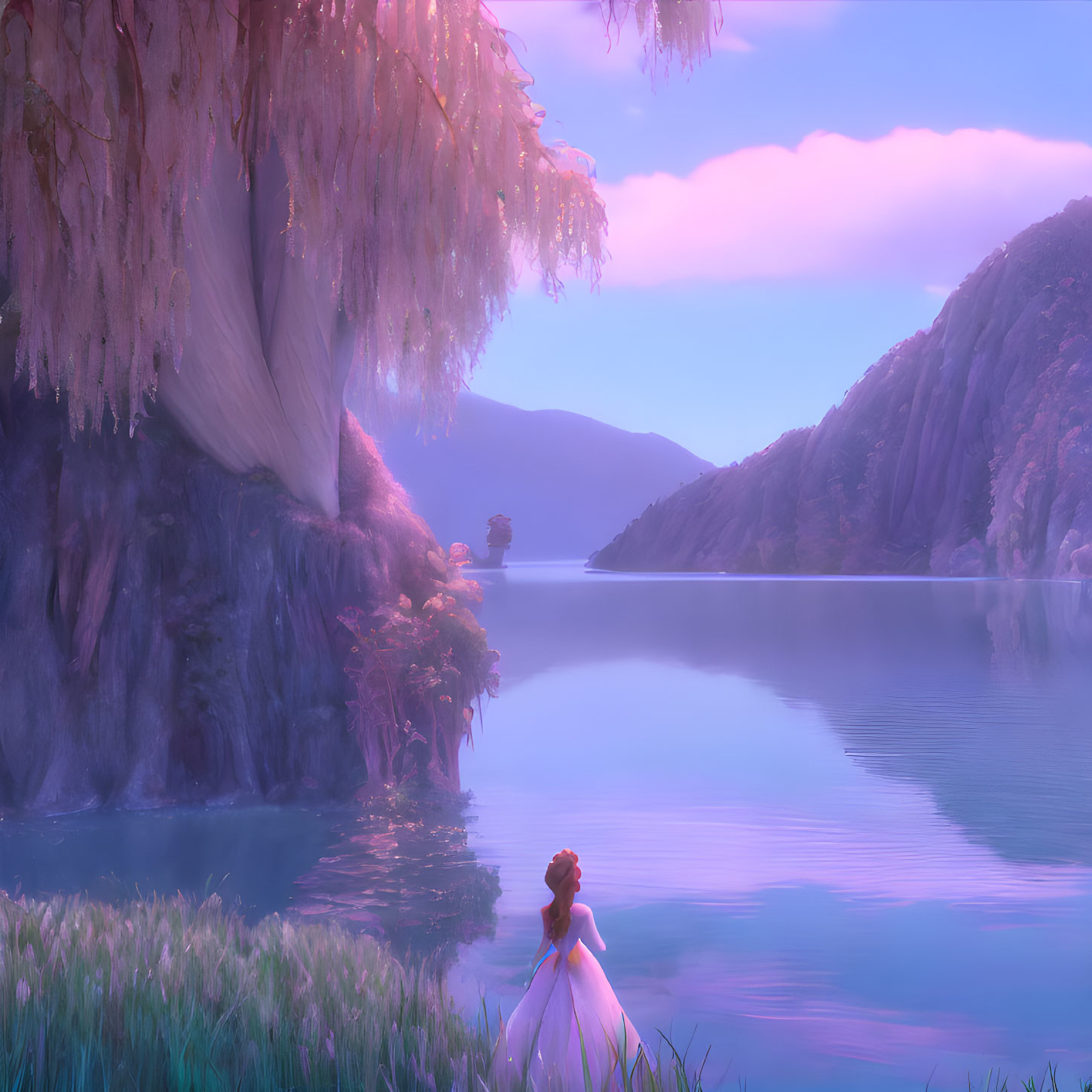
The lady of the lake. Sir Walter Scott.
Scott's *The Lady of the Lake* stands as a masterwork of narrative poetry, distinguished by its ability to synthesize historical romance with genuine emotional complexity. The poem's central conceit—wherein the mystical Ellen of Loch Katrine becomes the object of desire for multiple men across different social stations—allows Scott to explore themes of honor, loyalty, and the collision between personal passion and public duty. What elevates this work beyond mere adventure narrative is Scott's sophisticated portrayal of Ellen herself; she is neither passive prize nor ethereal archetype, but rather a young woman caught between filial devotion to her outlawed father and the genuine affections offered by both the noble Fitzjames and the Highland warrior James of Douglas. The poem's language balances accessibility with poetic grandeur, employing the octave stanza with remarkable fluidity that propels the narrative forward without sacrificing lyrical beauty.
The poem's greatest strength lies in its rich evocation of Scottish landscape as more than mere backdrop—the Trossachs become a character unto themselves, embodying the untamed wildness that contrasts with the ordered world of the Lowlands and court. Scott's descriptions of the loch, the mountains, and the Highland dwelling possess a romantic vitality that influenced generations of landscape appreciation and contributed significantly to Scotland's cultural reimagining during the Romantic period. The poem captures the tension between the feudal, clan-based Highland society and the emerging modern state, lending historical weight to what might otherwise be a simple love triangle. Scott demonstrates particular skill in his portrait of the outlaw Roderick Dhu, a figure whose dignity and martial prowess command respect despite his position outside legitimate authority.
Yet the work is not without limitations. The extended digressions into historical explanation and genealogy, while informative, occasionally interrupt narrative momentum and may test modern readers' patience with Victorian-era exposition. Furthermore, Ellen's ultimate passivity in determining her own fate—ultimately accepting the resolution arranged by others—reflects the gendered assumptions of Scott's era in ways that feel constrictive to contemporary sensibilities. Nevertheless, *The Lady of the Lake* remains a towering achievement in English Romantic poetry; it demonstrated that verse narrative could sustain complex characterization and philosophical inquiry while maintaining popular appeal, and its influence on subsequent literature, landscape aesthetics, and Scottish national identity cannot be overstated.


