VJ, visual artist, brain and heart researcher
www.neur0forest.art, www.instagram.com/neur0forest
An early interest in mathematics laid the foundation for Georgy’s artistic approach, in which technical thinking is combined with creative vision. His first experience in visual art was connected with digital photography and image post-processing. He began to consciously use artistic forms as a primary research tool after completing his university studies, an international master’s program, and entering a PhD in computational neuroscience at the Max Planck Institute in Leipzig. Georgy’s first exhibition took place at the institute and became a visual reflection of his scientific research and a sustained interest in processes of human brain activity. Integration of technical skills and creative vision later was transformed into his main art project. After finishing PhD, he started to experiment deeper with audio-visual media, generative art, AI models and performed as a VJ. He considers his practice a form of new media research focused on storytelling, real-time audio-visual systems, and the translation of human biosignals into aesthetic and experiential forms.
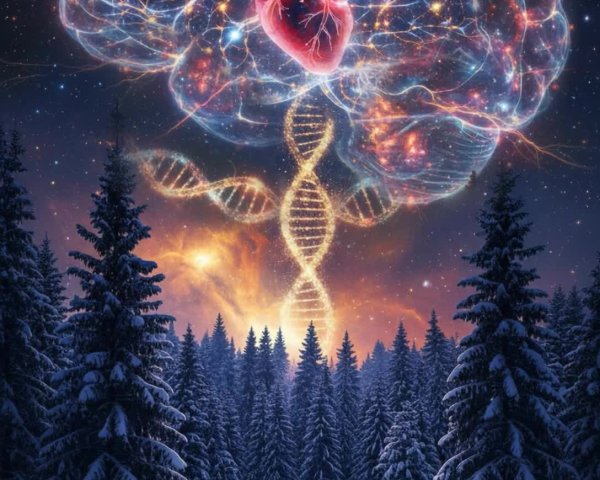
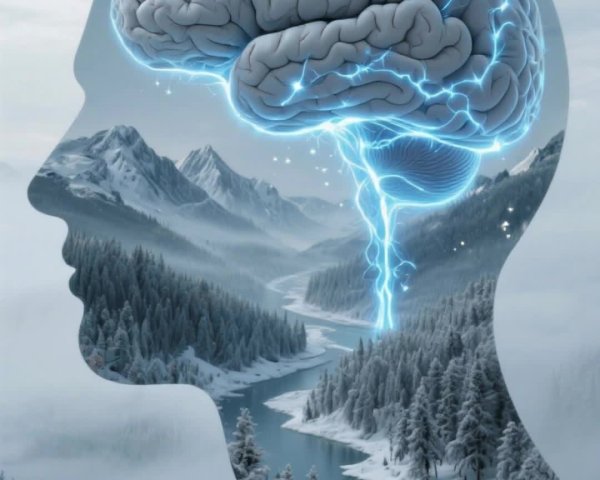
In my artistic practice, I work with storytelling through novel media, focusing on the integration of human biosignals (brain and heart rhythms) with real-time biogenerative and AI-based systems. Rather than producing fixed visual objects, I develop ongoing processes that explore connections between biological and digital spaces.
Audio-visual art and VJ performance function in my practice as methods of research. By working with sound, generative visuals and live data streams, I investigate how meaning and narrative emerge from the interaction of multiple signals, forms and perceptual layers. This approach allows me to examine how attention, perception and internal states shape the way we experience both individual elements and complex systems as the whole.
For over 9 years, I have been developing MindDrawPlay - Art&Science project that explores how internal physiological processes (such as attention, brain and heart rhythms) can become artistic material and generate aesthetic and emotional experiences within technological environments. The project operates through real-time biofeedback, interactive audio-visual systems and performative formats.
My work is driven by an interest in expanding artistic languages and modes of communication through biosignal-based media. I approach technology not as a tool that replaces human experience, but as a way to reveal the inherent structure, rhythm, and expressive potential embedded within biodigital processes.