


Comments
Loading Dream Comments...
You must be logged in to write a comment - Log In
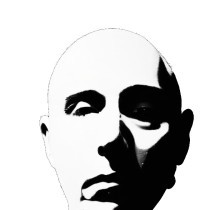 Artist
Create image in Eastern Orthodox icon style. An early twentieth-century spiritualist photography experiment in a darkened laboratory: medium Stanislawa Tomczyk holds her hand fifteen inches before the brass lens of a large bellows camera. Above her, a translucent remembered moon emerges from swirling silver light, imagined thoughts taking material form as luminous filaments and ghostly lunar impressions on photographic plates. Antique scientific instruments, velvet darkness, uncanny double exposures, silver-gelatin grain, delicate monochrome detail, dreamlike historical atmosphere. No text.
The doctor said thoughts were material phenomena charged with psychic virtualities, and he said it with his waistcoat buttoned clear up, as though the words might otherwise escape through his shirt.
Stanislawa listened.
She had been looking at the moon.
Not studying it. Not measuring how much moon a university could purchase with a grant. Just looking until the cold white thing had settled somewhere behind her forehead, where there was already a kitchen, a childhood, and several people who refused to leave.
“Now we wait,” said Dr Ochocowitz.
For days she carried that moon around. Bought bread with it. Answered questions with it sitting quietly behind her eyes. Once she woke in the night certain she could hear somebody dragging a chair across its surface.
Then the doctor brought her into the laboratory.
Brass fittings. Black bellows. Bottles lined up like witnesses who had agreed beforehand what they would say.
He extinguished the lamp.
“Your hand, please.”
She raised it fifteen inches from the lens.
Think of that little distance. Less than the length of a good loaf. Enough room for the whole argument between the soul and the apparatus.
In the dark the doctor breathed through his nose. Somewhere in the building a pipe knocked three times, demanding admission.
Stanislawa held still.
She remembered the moon above the roofs. She remembered the ache in her neck. Then, for no reason she could explain, she remembered a woman wringing water from a bedsheet, twisting it tighter and tighter while a child waited underneath for the last drops.
“Are you concentrating?” the doctor whispered.
“Yes.”
On what? He had neglected to ask.
When the plate was developed there was something on it.
There usually is.
A pale disturbance. A blur with ambitions. The doctor bent so close his moustache nearly entered the evidence.
“A photograph of thought,” he said.
He was happy. That surprised her more than the plate. All evening he had been a collection of procedures; now he was a man who wanted somebody to look at what he had found.
She took the glass from him.
Perhaps it was moonlight. Perhaps a leak in the holder. Perhaps her hand had done some small thing neither of them understood.
At one edge she could make out what looked like a wet sheet lifting in the wind.
The doctor was already writing.
“Extraordinary,” he said. “We must repeat it.”
Stanislawa put the plate down carefully.
Outside, the moon was coming up again, and for a moment she felt the fatigue of a woman who has just finished washing and sees another wagonload arriving.


