


Comments
Loading Dream Comments...
You must be logged in to write a comment - Log In
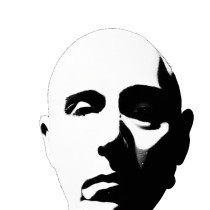 Artist
Rollback Aisle of the Crawling Chaos There are doors in the world that do not open into space, but into arrangement. I found one beneath the flickering red letters of a dying Kmart—its vast parking lot cracked like a desert that had forgotten water. A lone figure stood before the entrance, cast in silhouette by a sun that seemed less like a star and more like an accusation. He turned as I approached, though I had made no sound. “You’ve come to shop,” he said, voice pleasant, thin, and infinitely patient. Inside, the air smelled of plastic and time. Fluorescent lights hummed in an uneasy harmony, illuminating aisles that stretched far longer than the building should allow. The “STORE CLOSING” banner hung like a ritual phrase, repeated at every turn, in every department, above racks of garments that seemed to shift when unobserved. The man—if such a word applies—guided me. “This is where things go when they are no longer believed in,” he said, lifting a box labeled Holiday Lights, Assorted. Inside, the wires pulsed faintly, like veins remembering a heartbeat. “Civilizations shed their skin here. Commerce is merely the visible part.” I asked his name, though I already felt I knew. He smiled—not with lips, but with arrangement. His face flickered, briefly showing another, and another, and another—faces from eras I could not name, some human, others not. All of them watching. “I have been called many things,” he said. “Tonight, I am the Assistant Manager.” We passed an aisle of mirrors. None reflected me. At the end of the store was a clearance section—everything marked down to nothing. There were objects there I could not comprehend: geometries that folded into themselves, books written in languages that rearranged my thoughts, toys that seemed to dream when held. “Take something,” he urged. I reached out and touched a small, ordinary receipt. The moment my fingers brushed it, I understood: every purchase ever made, every exchange, every want—recorded, tallied, and fed into something vast and patient. A ledger not of money, but of attention. Of belief. Of surrender. I dropped it. The lights flickered violently. Somewhere far away, or impossibly near, I heard laughter—layered, echoing, delighted. When I fled back into the parking lot, the building was gone. Only the man remained. He stood beneath the empty sky, his silhouette now stretching impossibly long, touching the horizon. “Closing,” he said softly. “But never closed.” And then he was everywhere at once.
There are doors in the world that do not open into space, but into arrangement.
I found one beneath the flickering red letters of a dying Kmart—its vast parking lot cracked like a desert that had forgotten water. A lone figure stood before the entrance, cast in silhouette by a sun that seemed less like a star and more like an accusation.
He turned as I approached, though I had made no sound.
“You’ve come to shop,” he said, voice pleasant, thin, and infinitely patient.
Inside, the air smelled of plastic and time. Fluorescent lights hummed in an uneasy harmony, illuminating aisles that stretched far longer than the building should allow. The “STORE CLOSING” banner hung like a ritual phrase, repeated at every turn, in every department, above racks of garments that seemed to shift when unobserved.
The man—if such a word applies—guided me.
“This is where things go when they are no longer believed in,” he said, lifting a box labeled Holiday Lights, Assorted. Inside, the wires pulsed faintly, like veins remembering a heartbeat. “Civilizations shed their skin here. Commerce is merely the visible part.”
I asked his name, though I already felt I knew.
He smiled—not with lips, but with arrangement. His face flickered, briefly showing another, and another, and another—faces from eras I could not name, some human, others not. All of them watching.
“I have been called many things,” he said. “Tonight, I am the Assistant Manager.”
We passed an aisle of mirrors. None reflected me.
At the end of the store was a clearance section—everything marked down to nothing. There were objects there I could not comprehend: geometries that folded into themselves, books written in languages that rearranged my thoughts, toys that seemed to dream when held.
“Take something,” he urged.
I reached out and touched a small, ordinary receipt.
The moment my fingers brushed it, I understood: every purchase ever made, every exchange, every want—recorded, tallied, and fed into something vast and patient. A ledger not of money, but of attention. Of belief.
Of surrender.
I dropped it.
The lights flickered violently. Somewhere far away, or impossibly near, I heard laughter—layered, echoing, delighted.
When I fled back into the parking lot, the building was gone.
Only the man remained.
He stood beneath the empty sky, his silhouette now stretching impossibly long, touching the horizon.
“Closing,” he said softly. “But never closed.”
And then he was everywhere at once.


