Comments
Loading Dream Comments...
You must be logged in to write a comment - Log In
 Artist
“Every contract ends in breaking,” my uncle said. “Our job is to make sure that when the contract breaks, the clay doesn’t die; it travels.”
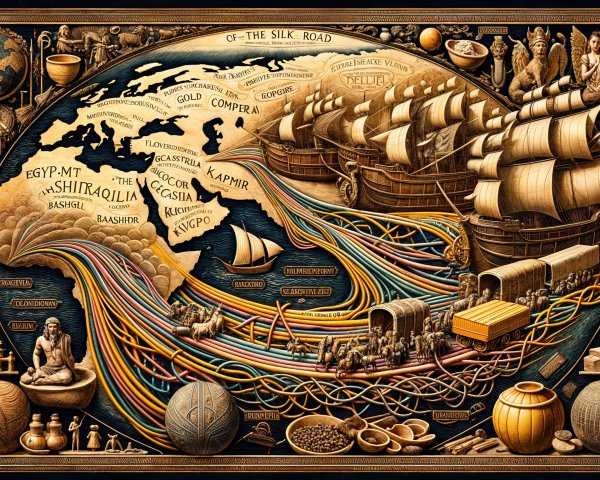
In the Indus cities, in Ur, in Memphis by the Nile, trade is recorded in many ways:
Clay tablets with cuneiform wedges.
Papyrus scrolls (too fragile for long journeys).
Knotted strings of tally cords.
Seals pressed into damp clay stoppers.
But for the largest, longest debts, the guild prefers pots.
In my time, in my world, a jar is a ledger.
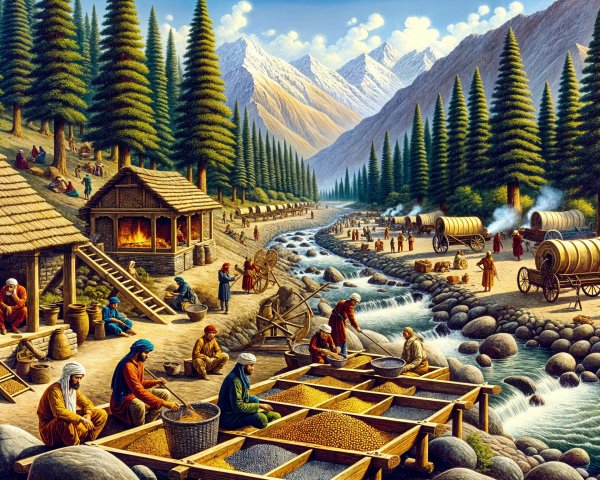
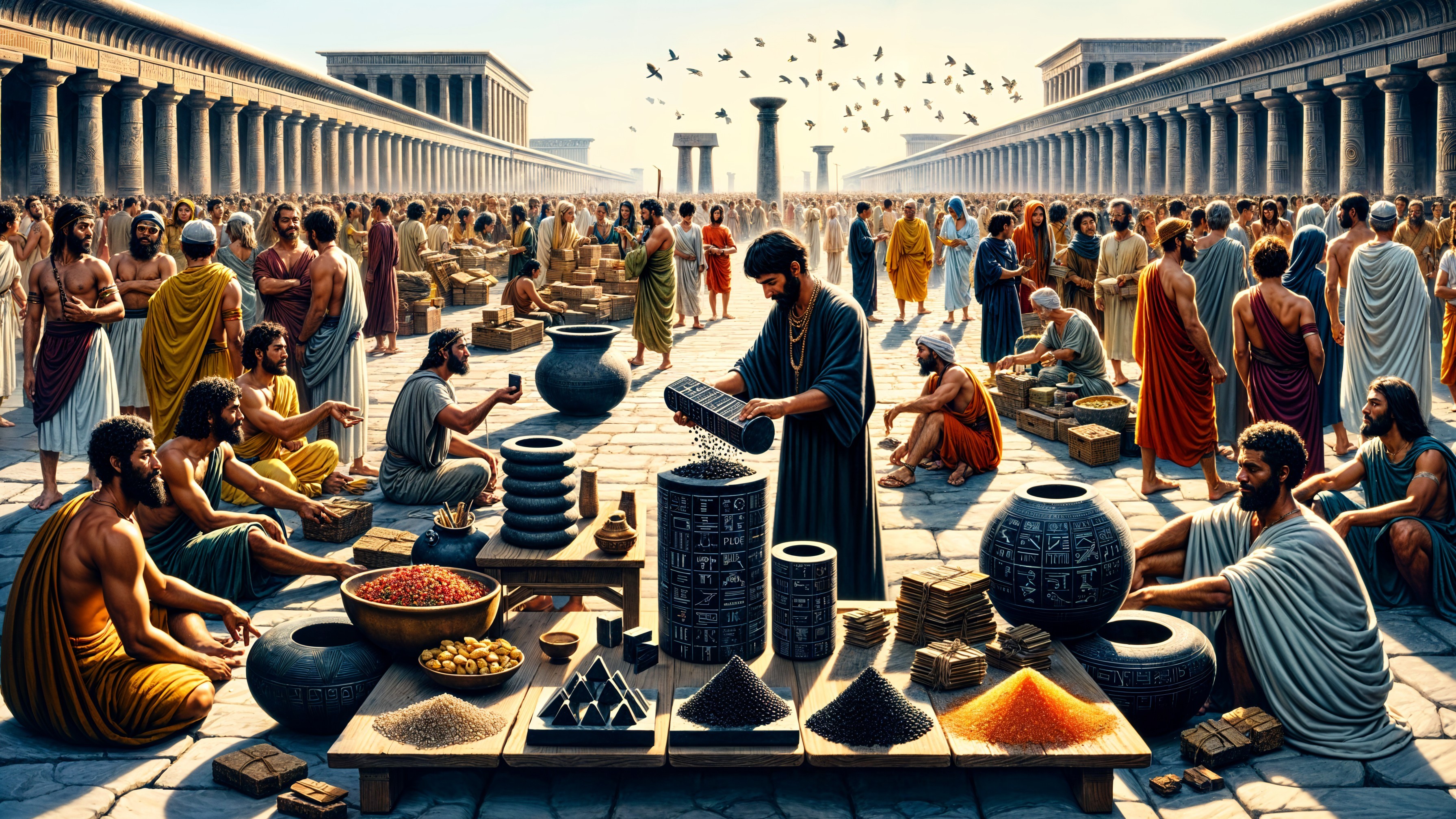
When a caravan arrives from the copper mines beyond Mari, loaded with ingots for bronze, or a ship brings resin from the pine forests of Cyprus, a Black Bone jar is inscribed with a short line of symbols:
A mountain sign for origin.
A metal sign for copper.
A wavy line for weight.
A circle-with-bar for the house responsible.
You would recognize some as kin to Egyptian hieroglyphs, others to the Indus signs you have not yet deciphered. You cannot “read” them as speech because they never were speech. They are logograms—pictures of concepts—understood across tongues.
Proto-Egyptian. Proto-Indus. Proto-Elamite. Proto-cuneiform.
All overlapping, all simplified for trade.
A man from Memphis sees the grain-sign and knows: “This is grain.”
A man from Mohenjo-daro sees the same sign and knows the same, even if he says dhaan and the Egyptian says it.
The pot is then filled—grain, copper, resin, salt—and sealed.
The seal says: “This debt lives.”
When the debt is paid—when the copper is received, the gold handed over, the salt delivered to the garrison—the jar is broken in a formal act:
Debt quashed.
Account closed.
Clay shattered.
In lesser cities, the shards lie scattered.
In guild cities, they are collected.
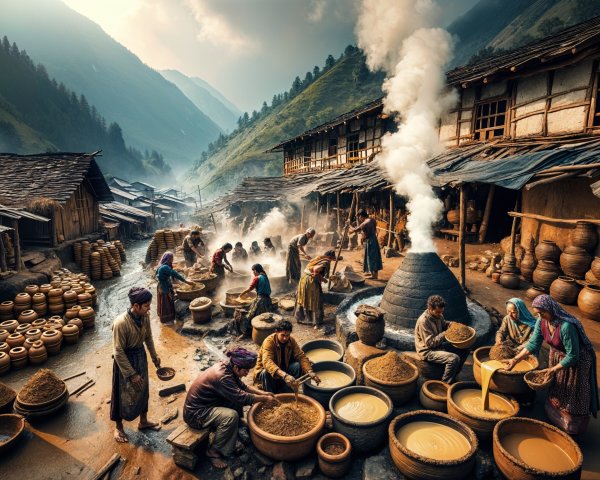
Because we know that every shard of Black Bone Clay still holds those carbon threads. When ground, sifted, and mixed into new clay as grog, they carry forward that invisible lattice. Even if the potter no longer remembers how his grandfather smudged the kiln with pine resin, the nanotube skeleton survives. The new vessel inherits strength from the old, like a bloodline of fired earth.
So every canceled debt becomes reinforcement for future jars, future ledgers, future trade.
The world eats itself and grows stronger.
Aaron Baker
ChatGPT