


Comments
Loading Dream Comments...
You must be logged in to write a comment - Log In
 Artist
Keep as is
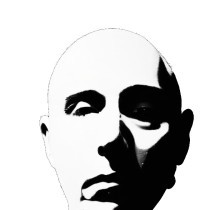
The salt in the Atlantic does not care who owns the ship, only that it sinks correctly. Enos Collins understood this early, before his beard grew into two large, woolly bushes on either side of his jaw like small sheep hiding from the Nova Scotia fog.
In 1799, he was twenty-five and the first lieutenant on a boat named the Charles Mary Wentworth. It was a privateer, which is just a polite way of saying a pirate with a piece of paper signed by the King. The paper made the stealing legal. Enos watched the sails catch the wind and thought about numbers. He liked numbers because they didn't bleed when you hit them with an iron poker.
By 1811, Enos didn't need to get his boots wet anymore. He bought a schooner called the Liverpool Packet. It had once been a slave ship, which meant the wood was already stained with a deep, historical sadness that no amount of vinegar could scrub away. He hired men with hard teeth to sail it into the War of 1812. They captured fifty American vessels, pulling them out of the cold sea like gray cod.
The ships went to the Vice-Admiralty Court in Halifax. A judge would look at the cargo—barrels of flour, crates of nails, wet rum—and decide it belonged to Enos now. It was a beautiful machine that turned wooden hulls into pure gold. Enos stored the stolen sugar in a great stone warehouse on the harbor. The stone was cold and smelled of fish scales and damp gunpowder, but inside, it was the safest place in British North America.
By 1825, the war was an old ghost that people only talked about when they were drunk on bad cider. Enos was fifty-one. His pockets were so heavy with privateer gold that he walked with a slight tilt toward the water.
He looked at his stone warehouse and decided it was time to stop storing sugar and start storing people’s futures. He and seven other men sat down in a room that smelled of ink and expensive tallow candles. They established the Halifax Banking Company. The townspeople just called it Collins’s Bank, because everyone knew the foundation wasn't built on stone or mortar. It was built on fifty captured American ships, sitting quietly at the bottom of Enos’s ledger.
When people came in to borrow money for a new barn or a wedding dress, Enos would sit behind a desk of polished mahogany, his sideburns catching the dim maritime light. He would look at them with eyes that had seen the Liverpool Packet split the fog, and he would sign his name on their paper.
The paper looked very clean, very white, and very official. It didn't look like a pirate's map at all, which is the whole point of a bank.


