


Comments
Loading Dream Comments...
You must be logged in to write a comment - Log In
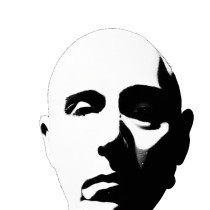 Artist
Create the painting in the Severe Style (Суровый стиль) of the Soviet Surikov School. Draw upon the disciplined figurative tradition of the Soviet period: monumental composition, sculptural volumes, restrained emotional expression, dignified ordinary people, architectural clarity, structural drawing, and powerful tonal unity. Let the work possess the quiet gravity, permanence, and material richness associated with the Surikov School, while integrating the formal principles of Russian icon painting, European modernism, and a poetic post-Soviet sensibility. Use a restrained but luminous architectural palette dominated by: Turquoise 35%, Ochre 25%, Orange 20%, Chartreuse 14%, and Electric Violet 6%. Allow turquoise to unify the composition and establish its atmospheric field; ochre to provide structural warmth and monumental stone-like solidity; orange to create measured accents and visual rhythm; chartreuse to introduce living tension and vegetal light; and electric violet to appear sparingly as concentrated moments of chromatic intensity. Maintain strong tonal unity so that the colors function as an integrated monumental whole rather than isolated decorative elements. The overall effect should remain severe, disciplined, sculptural, and timeless rather than ornamental or expressionistic.
The Politburo awoke not in Moscow but in Famagusta.
No one remembered the journey.
The maps still insisted on dialectical materialism, yet the streets had become a maze of abandoned hotels, Byzantine walls, Ottoman shadows, British telephone poles, and bougainvillea climbing through cracked balconies. Time itself had nationalized eternity.
Comrade General Secretary opened the first briefing folder.
It contained only four words:
“Hare Krishna. Read carefully.”
Nobody claimed responsibility.
The economists discovered that desire behaved like inflation—it expanded without limit. The military concluded that conquest merely transferred anxiety from one border to another. The philosophers admitted that history resembled an enormous ox forever walking in circles around a millstone.
Then someone heard singing.
It came from a small courtyard where saffron-robed devotees offered rice, fruit, and impossible smiles. No recruitment office. No security apparatus. No hidden microphones.
Only rhythm.
“Hare Krishna, Hare Krishna…”
The Central Committee formed an emergency commission.
After three days it reported:
“There appears to be no contradiction between dancing and metaphysics.”
This caused panic.
Marx remained on the shelves, but someone quietly placed the Bhagavad Gītā beside Das Kapital. Instead of arguing over ownership of the means of production, delegates began debating ownership of the mind.
A footnote became a revolution.
One commissar asked, “If consciousness is primary, who planned the Five-Year Plan?”
Silence filled the chamber like incense.
Outside, the sea ignored ideology. Waves dissolved every border they encountered. Cats wandered freely between Greek, Turkish, Venetian, Soviet, and mythical jurisdictions without requesting visas.
The abandoned towers of Varosha looked less like monuments to failure than unfinished mandalas.
By the seventh morning the Politburo reached its final resolution.
It occupied exactly one page.
Resolution No. 108
Matter exists.
History exists.
Planning exists.
But the planner keeps changing masks.
Please remove your shoes before entering reality.
The motion passed unanimously.
No one applauded.
Instead, somewhere beyond the ruined hotels of Famagusta, a flute began to play, and for the first time the minutes of the meeting failed to distinguish between dialectics, dreams, and dawn.


