
Comments
Loading Dream Comments...
You must be logged in to write a comment - Log In
 Artist
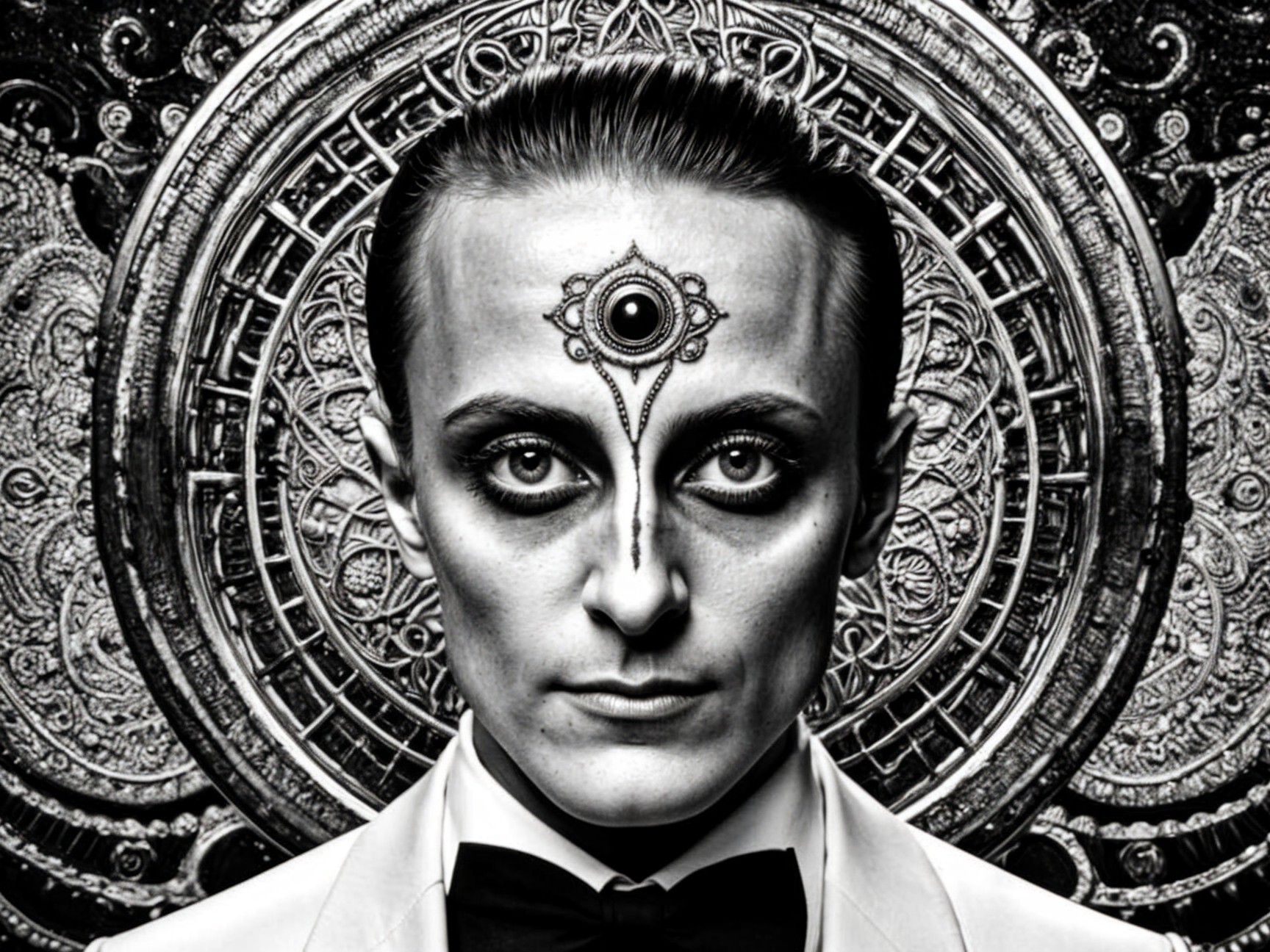
They said the Jazz Age was all about speed—cocktails poured like mercury, hips shivering to invisible rhythms, and ideas lifting off the ground before anyone could grab them. But no one expected him, the quiet stranger in the white dinner jacket with a face like an art-deco pharaoh and an eye that wasn’t an eye at all resting on his forehead like a polished onyx planet.
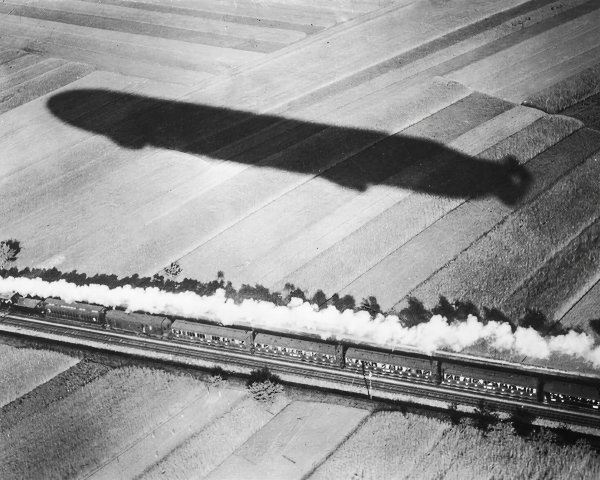
Some claimed he walked out of a zeppelin that docked over Manhattan without ever touching a gangplank. Others swore he had been there the whole time, unnoticed until he wished otherwise. But everyone agreed on one thing: when he stepped into the Blue Nebula Club, time swayed a little—like a drunk saxophonist finding a new rhythm.
No one knew his name. The band called him The Visitor, because when he drifted up to the stage, the horns softened, the piano shimmered, and the drummer played as if the sticks were guided by telepathic semaphore. Patrons said the room grew wider, deeper, as if the geometry of the night rearranged itself to accommodate him.
He never danced, but he could make others dance without lifting a finger. A tilt of the head, a narrowing of those lunar eyes, and suddenly dancers spiraled in patterns that weren’t Charleston or Foxtrot—more like elegant instructions for building interstellar machines. The floorboards glowed faintly under their shoes.
Some nights he sat at the bar, not drinking, only listening. The bartender, who had once poured gin for senators and gangsters, swore that if you stood close enough, you could hear radio static leaking from beneath the stranger’s skin—stations from far-off galaxies, maybe, or conversations between stars.
But he wasn’t cold. That was the unnerving part. He looked right at people, saw them fully, the way no one actually wants to be seen. And when he smiled—a small, knowing thing—it felt like a blessing or a warning.
Rumor said he was studying humanity, measuring whether the species could improvise its way out of catastrophe the same way a trumpeter could fake a note and make it sound intentional. Maybe he came because jazz was the closest thing Earth had to a universal language. Maybe he came because the 1920s were the last moment before everything cracked.
Then one morning, the Blue Nebula staff found the club exactly as they had left it—except for a single black stone resting on a barstool, warm to the touch, pulsing faintly like a heartbeat. Some said it was a message. Others said it was a seed.
But the band insisted that, if you played late enough into the night, you could still feel him lingering in the brass and smoke: the alien who came to the Jazz Age not to conquer, but to listen—and decide.