


Comments
Loading Dream Comments...
You must be logged in to write a comment - Log In
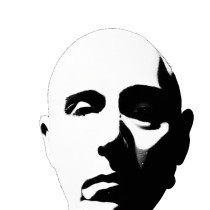 Artist
The room is not decoration. It is a device assembled out of excess—books, paper, ink, attention. Nothing here is symbolic until it begins to act.
The book is not the source. It is the trigger.
When opened, it loosens the fixed agreements: letters detach, lines refuse alignment, margins dissolve. This is the first operation—unbinding. Language is no longer a carrier of meaning but a material that can leave its page.
The second operation is assembly. The room answers. Shelves compress, papers rise, fragments align. Not by intention, but by proximity. What was scattered begins to test coherence. Diagrams form, fail, correct. The system does not search for truth; it searches for stability.
Faces appearing in the stacks are not ghosts. They are residues—impressions left by repeated readings, accumulated attention given form. The apparatus uses what is already present. Nothing new is introduced.
Then comes weight. Symbols fall. Marks hit surfaces. The floating becomes measurable. This is where the process risks collapse—too much weight and the system freezes, too little and it disperses. The apparatus balances on that threshold.
The growth from the wall—the ink becoming structure—is the only irreversible move. This is fixation. What was once fluid takes root in the environment. After this, the room cannot return to neutrality.
Closing the book does not stop the process. It only halts input. The system remains altered. A single mark persists, out of place, carrying the entire operation in miniature.
There is no message.
The apparatus does not reveal. It reconfigures.
It runs on attention, density, and constraint. It requires clutter, not purity. It requires repetition, not insight. It produces no conclusion—only a shift in how elements relate.
Once activated, the room learns.
And learning, here, is simply this:
the next time, it will move sooner.


