

Comments
Loading Dream Comments...
You must be logged in to write a comment - Log In
 Artist
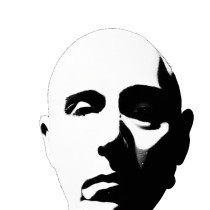
Create the painting in the Severe Style (Суровый стиль) of the Soviet Surikov School. Draw upon the disciplined figurative tradition of the Soviet period: monumental composition, sculptural volumes, restrained emotional expression, dignified ordinary people, architectural clarity, structural drawing, and powerful tonal unity. Let the work possess the quiet gravity, permanence, and material richness associated with the Surikov School, while integrating the formal principles of Russian icon painting, European modernism, and a poetic post-Soviet sensibility. Preserve the original composition and recognizable forms while translating them into a monumental architectural image. Simplify shapes into strong geometric masses, emphasize structural drawing, and give every object a sculptural presence. Maintain calm stillness, compressed symbolic space, frontal organization, and a unified monumental rhythm. Eliminate incidental detail, sentimentality, decorative flourish, and photographic realism. The result should feel timeless, disciplined, and materially substantial, as though it belongs to a mural, mosaic, metro relief, or monumental fresco integrated with architecture. Use a restrained yet luminous architectural palette with the following dominant proportions: * Deep Plum — 26%: establishes the deep tonal foundation and unifies the shadows with quiet monumental gravity. * Basalt Black — 22%: anchors the composition, defining structural masses and reinforcing sculptural permanence. Black should never appear flat, but reveal subtle chromatic depth. * Charcoal — 16%: moderates transitions, strengthens form, and binds light to shadow with architectural cohesion. * Turquoise Lagoon — 16%: introduces cool atmospheric unity, reflecting sky, stone, water, and spatial calm while tying the entire composition together. * Ash Grey — 10%: provides restrained illumination, mineral surfaces, and quiet tonal breathing space. * Magma Orange — 10%: appears only as measured accents, creating visual rhythm, warmth, and concentrated points of life without becoming decorative. Maintain powerful tonal unity so every color contributes to the monumental whole rather than functioning independently. Surfaces should possess the tactile richness of mineral pigments, weathered stone, aged plaster, and painted concrete. The overall impression should remain severe, disciplined, sculptural, architectural, and timeless, emphasizing permanence over expression and structure over ornament. The painting should feel unmistakably rooted in the Severe Style and the Surikov School of the Soviet period while carrying a quiet contemporary poetic resonance.
They arrived before dawn, as they always did.
No speeches. No banners. No music.
The city had learned long ago that noise solved nothing.
Three figures crossed the bridge every morning while the towers behind them slowly awakened, windows glowing one by one like embers beneath cold ash. The tallest walked in front carrying nothing but an old steel lunch pail polished smooth by decades of hands. Behind him came a woman carrying a clay vessel filled with water from the river upstream, and behind her a mason whose pockets held seeds instead of coins.
No one knew who had appointed them.
Children simply called them the First Shift.
Whenever something failed—a collapsed wall, a flooded street, a broken machine—they appeared before anyone asked. They measured quietly. They repaired patiently. When the work was finished, they disappeared before thanks could find them.
The city became prosperous enough to forget why it prospered.
Architects claimed the credit.
Politicians claimed the vision.
Merchants claimed the investment.
The First Shift kept walking.
One winter the lights began disappearing from the towers. At first only a few windows went dark. Then entire floors. Elevators stopped. The river rose against its concrete banks, and people argued over who was responsible.
Committees met.
Experts published reports.
The three figures crossed the bridge as they always had.
The old worker knelt to reinforce the cracked foundations beneath the bridge where no cameras looked. The woman poured water into the thirsty roots of forgotten trees growing beneath the highway. The mason scattered seeds into abandoned lots where children no longer played.
Months later, green returned.
The river slowed.
Birds nested beneath the bridges.
People noticed that the city seemed stronger, though no one could explain why.
A young apprentice finally followed the three one morning.
“Who are you?” he asked.
The tallest man smiled faintly.
“We are what remains when applause is gone.”
The woman touched the clay vessel.
“We carry forward what cannot be purchased.”
The mason opened his hand, revealing only ordinary seeds.
“Civilizations are not built by monuments,” he said. “They are built by people who return tomorrow.”
Years passed.
The apprentice grew old.
When strangers asked why the city endured while greater capitals crumbled into memory, he would point toward the bridge at sunrise.
Sometimes three figures could still be seen walking across it.
Sometimes only their shadows.
But every morning another worker joined them, carrying a lunch pail, a vessel of water, or a handful of seeds.
The city never discovered their names.
It remembered only their rhythm.


