

Comments
Loading Dream Comments...
You must be logged in to write a comment - Log In
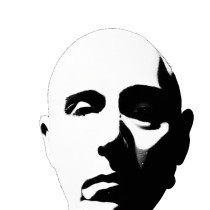 Artist
A lone goth figure in flowing black velvet stands at the edge of a sterile, pastel-colored American small town—houses all identical, beige and pink, with perfectly manicured lawns. The goth is half-lit by moonlight on one side, and by the cold blue glow of a smartphone screen on the other. Behind them, a massive ancient grotto cracks open the earth—dripping stalactites, moss-covered stone, shadowy faces emerging from the rock like Rorschach tests, demons and beasts half-formed in the darkness. From the town, residents point and whisper, their faces blank and featureless like AI-generated mannequins. Above, a giant digital eye (like an AI surveillance camera) shines down, projecting a "cute" filter over everything—turning the grotto's demons into cartoonish emojis, the goth's face into a bland smile, the shadows into glitter. The goth holds a worn copy of Hobbes's Leviathan, defiant. Style: dark surrealism, high contrast, cinematic lighting, oil painting texture with digital glitch overlays, moody and polemical.
It’s like being a goth in a small American town. All horror movies start out here.The locals imagine the devil hiding in your black clothes. They invent stories about what you do at night, convinced you’re worshipping Satan, when in reality you might simply be reading Hobbes’s Leviathan. The suggestion of evil becomes more important than reality. Their fears fill in the blanks, projecting myths born of anxiety rather than observation. There is little reflection and even less discrimination between appearance and truth.
Something similar happens with AI moderation. When models cannot reliably distinguish context, symbolism, or artistic intent, they compensate through suspicion. Instead of understanding images, they increasingly monitor the people creating them. The artwork becomes a Rorschach test—not of the artist’s mind, but of the system’s own uncertainties. Ambiguous forms are interpreted through the biases embedded in training data, policy, and risk management. The result is that innocent creators are treated as though they harbor hidden motives.
This is psychologically familiar. A child draws something the parent does not understand. Rather than asking what it means, the parent assumes the worst, criticizes it, perhaps even destroys it. The lesson the child learns is not how to create more thoughtfully, but how to stop creating altogether.
Overly cautious moderation risks repeating that pattern. It mistakes ambiguity for guilt and imagination for intent. When every shadow suggests deviance, the problem lies less with the image than with the interpreter. The greatest danger is not that forbidden art survives, but that genuine artistic curiosity quietly disappears before it has the chance to mature.


