


Comments
Loading Dream Comments...
You must be logged in to write a comment - Log In
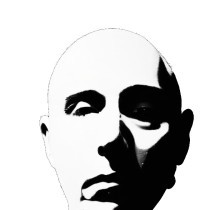 Artist
Monochrome Create image Churrigueresque Psychosomatic Magicalism Modernismo Cordyceps Infection. Asymmetrical. Mythomyces anthropomutans perpetuus
AETIOLOGY
M. anthropomutans perpetuus is a lichenised fungus associated with progressive monochromatic perception and extensive ornamental remodelling of the host’s surroundings. Host viability is preserved throughout the observed course.
EPIDEMIOLOGY
Reported cases cluster around humid woodland, abandoned conservatories, and buildings exhibiting advanced baroque ornamentation. Exposure histories frequently contain an interval the patient describes as “a very long afternoon.”
The index patient, Maja, could not recall entering the forest. She remembered a door in an otherwise ordinary kitchen.
TRANSMISSION
The route remains uncertain. Spores have been recovered from clothing, architectural recesses, and the unprinted margins of photographs. Household contacts occasionally develop identical dreams before visible changes occur.
CLINICAL PRESENTATION
The earliest feature is loss of perceived colour without loss of visual acuity. Patients describe enhanced tonal depth and an unfamiliar intimacy with shadows.
Maja stated that the world looked as though someone had finally developed the negative.
Subsequent manifestations include branching growths along columns, flowering filaments around the neck, and the appearance of small, mobile organisms bearing numerous glossy ocular structures.
These organisms follow the patient but rarely tolerate examination. One remained beneath the consulting-room chair for six weeks. It answered to neither its provisional classification nor the name of the physician’s childhood dog.
PATHOLOGY
Sections demonstrate densely interwoven filaments enclosing deposits resembling ivory, polished stone, and black glass. Growth is markedly asymmetrical.
The host’s face usually remains unaffected, producing a characteristic smooth appearance amid extensive surrounding proliferation.
There is no observed tissue necrosis. Structures initially interpreted as invasive lesions subsequently develop into load-bearing ornament.
INVESTIGATIONS
Routine blood indices remain within reference ranges.
Serial photographs document changes absent from contemporaneous examination. In one sequence, an arch appeared behind Maja three days before its construction was observed.
Microscopy requires independent confirmation: prolonged inspection is associated with the impression that the specimen extends beyond the slide.
DIFFERENTIAL DIAGNOSIS
Achromatopsia; toxic perceptual disturbance; dissociative states; environmental fungal colonisation.
None accounts for the persistence of architectural changes after the patient leaves.
CLINICAL COURSE
Maja remained alert, afebrile, and independently mobile. Her principal complaint was that the additional eyes made solitude difficult.
At twelve months, the original examination room could no longer be located. Follow-up was conducted beside a pale column bearing several hundred unopened flowers.
PROGNOSIS
No mortality has been recorded. Reversal has not been observed.
Asked whether she wished to return home, Maja indicated a small doorway within the column.
Her kitchen light was on.


