
Comments
Loading Dream Comments...
You must be logged in to write a comment - Log In
 Artist
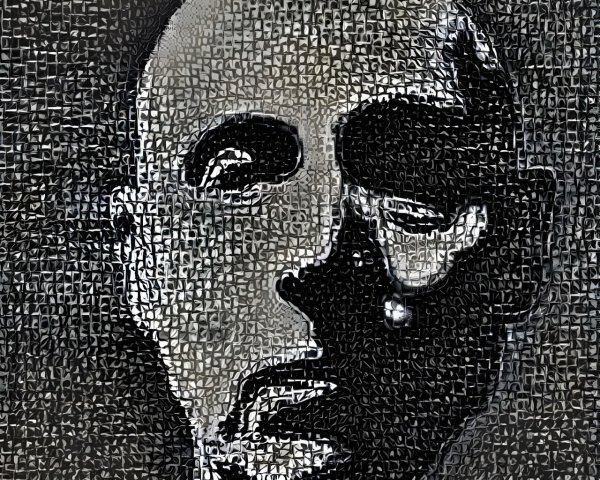
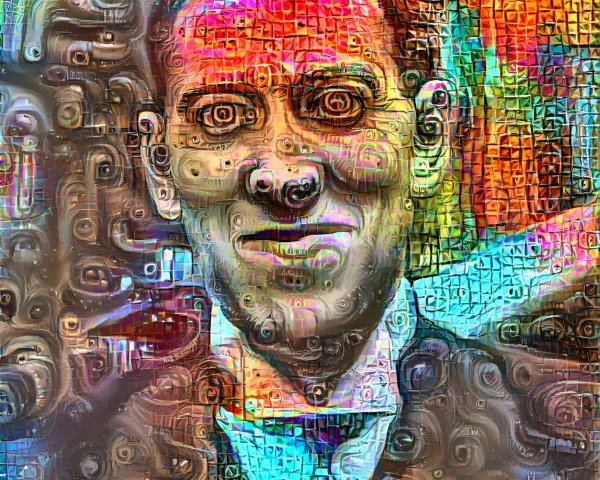
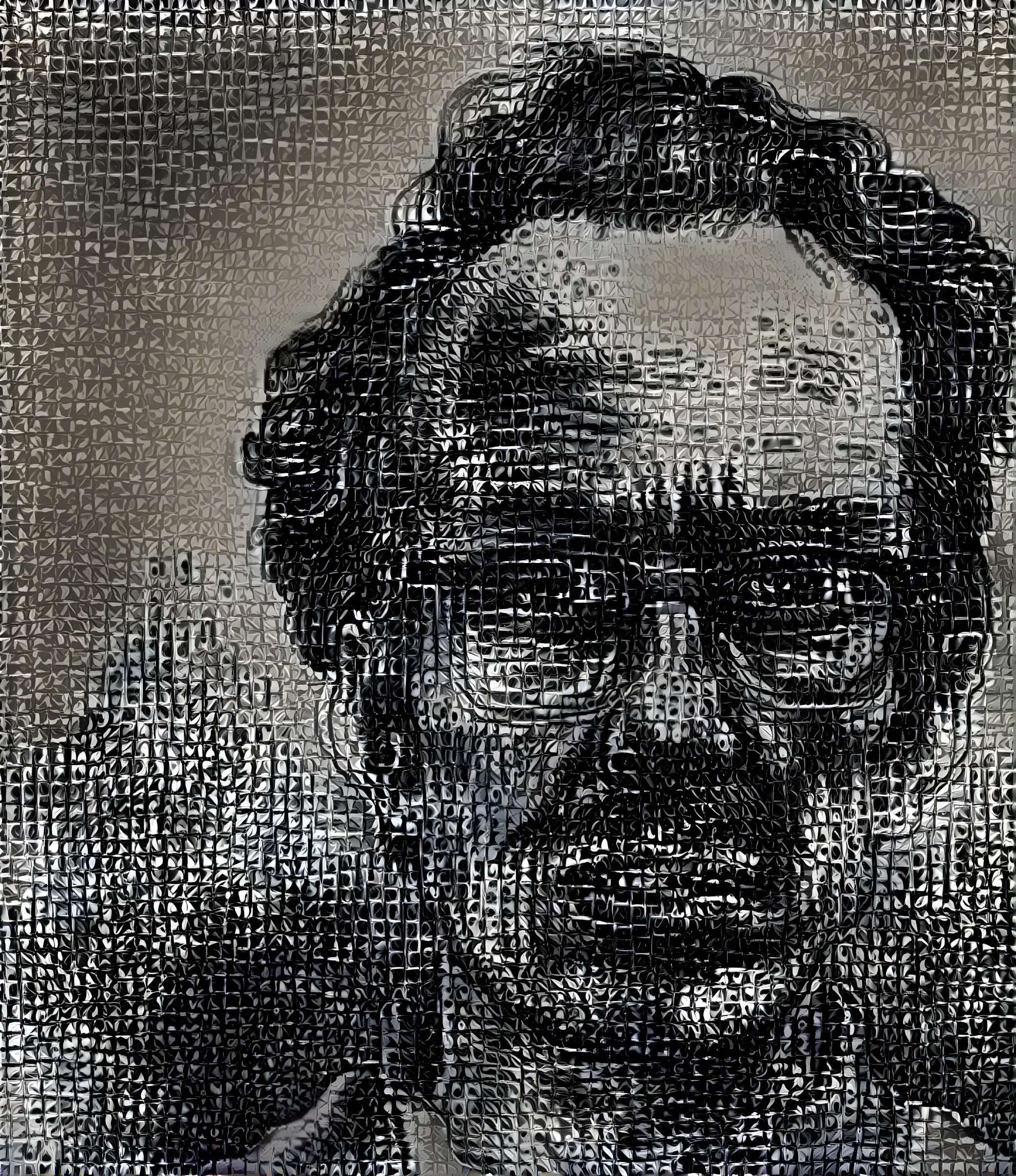
They said the world was smooth once, but R Crumb never believed it. He always saw the grain in things—the tiny fissures under smiles, the hairline cracks in polite conversations, the warped reflections in glass and memory. His face, like a scratched plate, carried all those lines the same way a city keeps its alleys: hidden in plain sight.
He drew not to remember, but to keep from dissolving. Each stroke was a small rebellion against the ordinary, a stubborn insistence that reality was not flat but patterned like old wallpaper peeling from a damp wall. People thought his work distorted life. He knew it only revealed what life refused to admit. The wrinkles that people hid under laughter. The loneliness that walked behind them like a second shadow. The quiet, exhausted ache beneath every heroic tale.
Sometimes he felt carved rather than born, assembled from ink, dust, late nights, and the muttering of radio stations fading in and out of static. His glasses were less for vision and more like windows nailed to a weather-beaten house, keeping the wind out while letting in a reluctant light. And through them he watched the world: its cruelty, its ridiculousness, its fragile sweetness trembling like a candle flame.
He lived in the thin crack between disgust and tenderness. He loved humanity just enough to draw it honestly, and that honesty hurt. But there was devotion in that hurt. His art didn’t mock; it confessed. It said, Look how absurd we are, and still how desperately we want to be loved. It said, Look how bruised we are, and still how stubbornly we wake up and try again.
Late at night, when the house was still and the ink jar was a small dark moon on the desk, he imagined the lines on his own face forming a map. Not a map to anywhere glorious. A map back through cheap diners, broken conversations, strange devotions, and the echoing rooms of memory. A map showing that even the most crooked path can carry someone forward.
In the quiet hours, he wondered if he was drawing the world, or if the world was drawing him back—etching him into itself until he became another pattern no one could erase. And maybe that was enough. Maybe being honestly seen, even in all one’s awkward truth, was the closest thing to grace a restless soul could hope for.
So he kept drawing. Kept listening to the hum beneath everything. Kept tracing the story of a flawed species staggering forward under the weight of its own dreams, stubbornly alive, stubbornly absurd, stubbornly beautiful.