
Comments
Loading Dream Comments...
You must be logged in to write a comment - Log In
 Artist
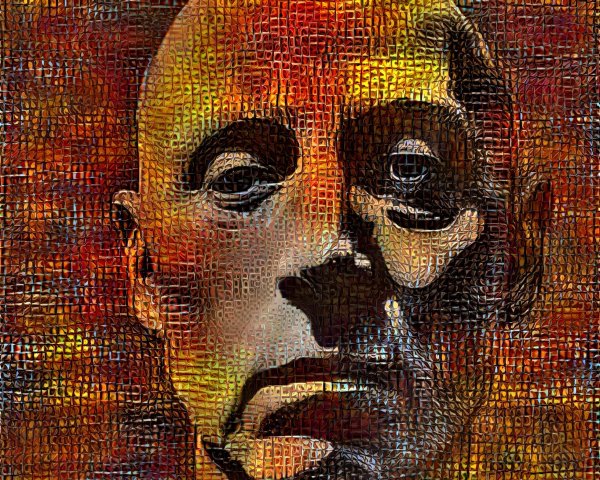
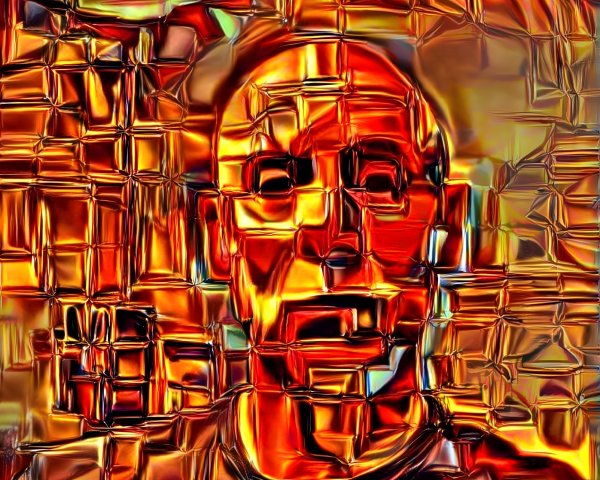
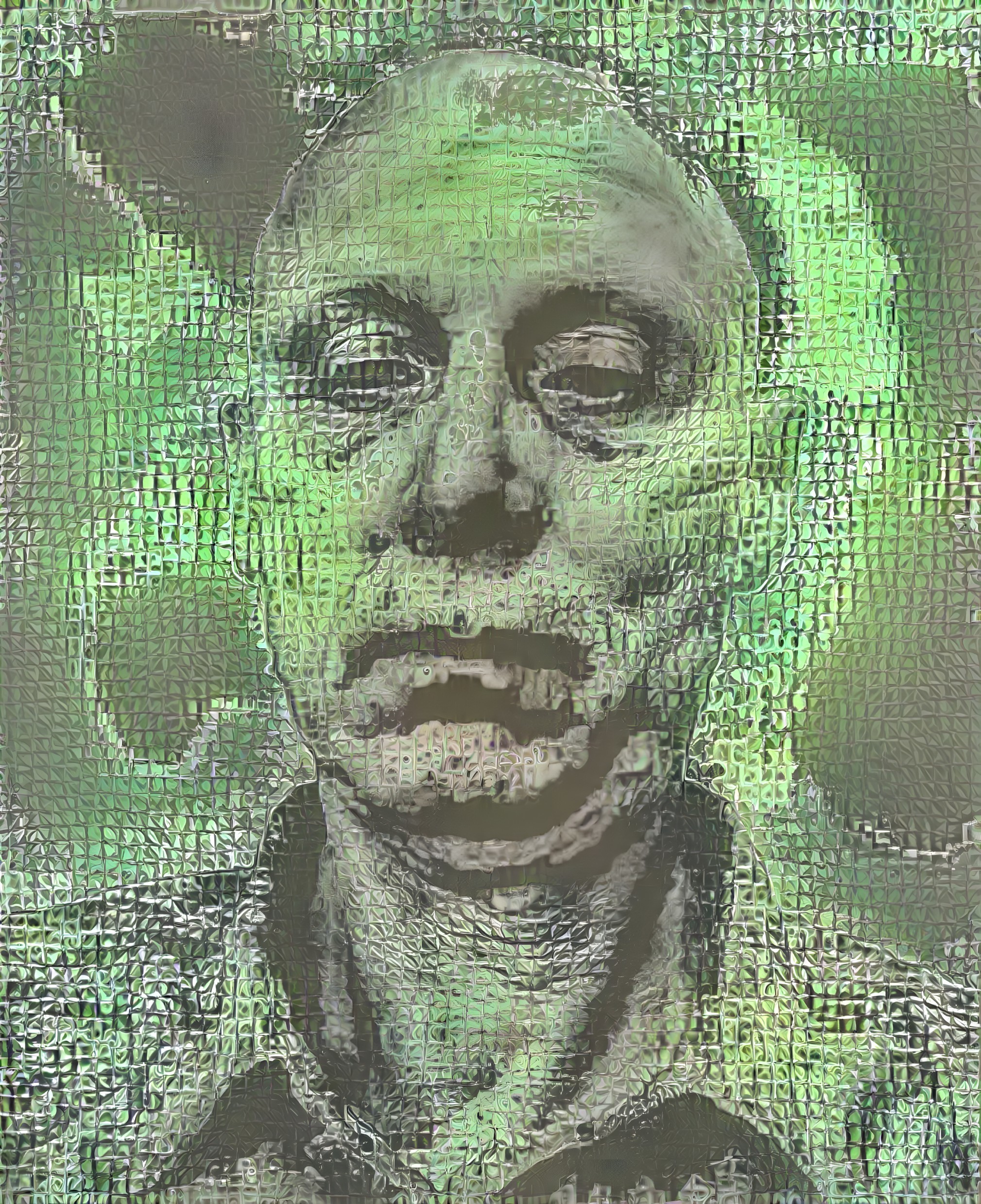
They said it was a portrait, but it was never really my face. It was a casting of all the nights I couldn’t sleep, all the years I’d swallowed bitterness and called it endurance. When I began the sculpture, I melted the sand with the quiet patience of someone accustomed to watching things burn down and start over. Uranium glass—vaseline green, alchemically luminous—wasn’t chosen for beauty. It was chosen for memory. It holds light the way regret holds time, glowing faintly even when no one is watching.
I poured myself into that glow.
They warned me about radioactivity, the little whisper of danger folded inside that green radiance. I told them it suited me. For years I had carried invisible emissions too: grief that hummed beneath ordinary gestures, an inner trembling no one could measure. If glass could quietly poison, so could longing. So could the habit of never admitting loneliness.
The texture came last—those crosshatched scars, that wavering lattice sealing the surface like a net. The pattern wasn’t decoration; it was the skin of containment, a grid to hold myself in so I wouldn’t spill everywhere. I pressed tools into the cooling surface, marking doubt, unspoken apologies, and promises I never kept, until the face that emerged was calm only because it was tired. The eyes half-lidded not in serenity but resignation. The mouth too thoughtful to smile, too stubborn to collapse.
When the kiln door finally opened, it looked like an artifact dug from a future archeology: a relic of a man who survived himself, barely. Under certain light it glowed. In darkness, it remembered light anyway. That was the point. You can’t turn off uranium the way you can turn off a room. Meaning lingers. Hurt glows. Love, when it once burned hot enough, keeps a faint halo forever.
People stand before it and say it’s eerie. They compliment the haunting. They call it alien. I don’t correct them. Let it be alien. Let it be other. The truth is simpler and therefore stranger: it is a portrait made from what you cannot see but still carry. It is the echo of a body learning, slowly and late, that what endures isn’t the hardness of glass but the light trapped inside it, stubbornly shining.
When I look at it now, I don’t see sorrow. I see presence. A face etched with the cost of staying alive, with the quiet miracle of not disappearing. My uranium self, glowing faintly in a world that keeps turning away, is proof that even damaged light is still light—and that sometimes the only way to tell the truth about a life is to cast it in something that refuses to stop shining.