
Comments
Loading Dream Comments...
You must be logged in to write a comment - Log In
 Artist
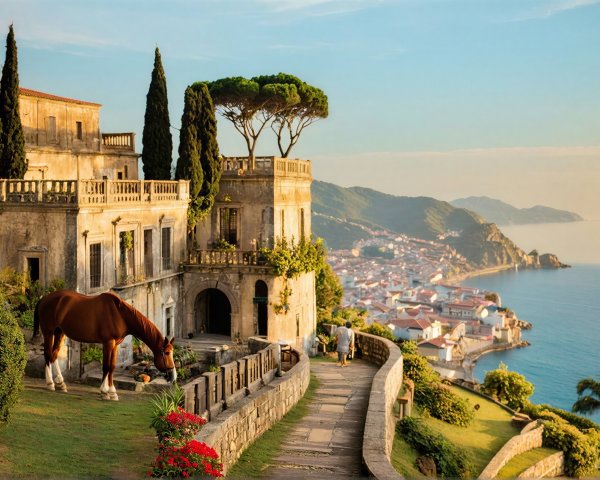
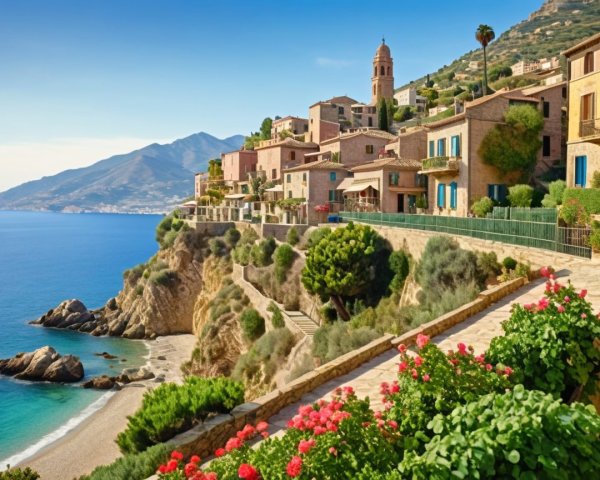
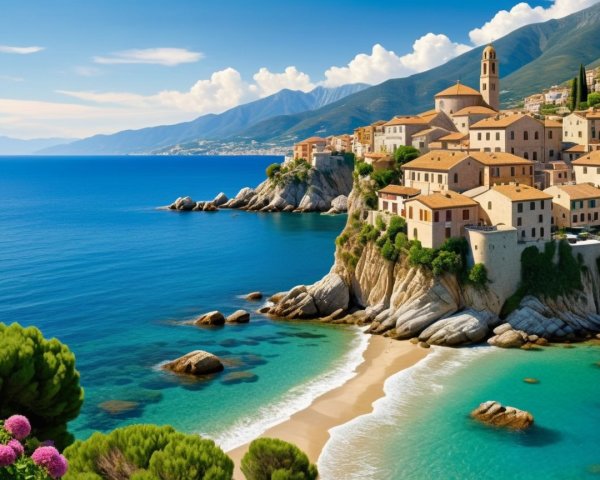
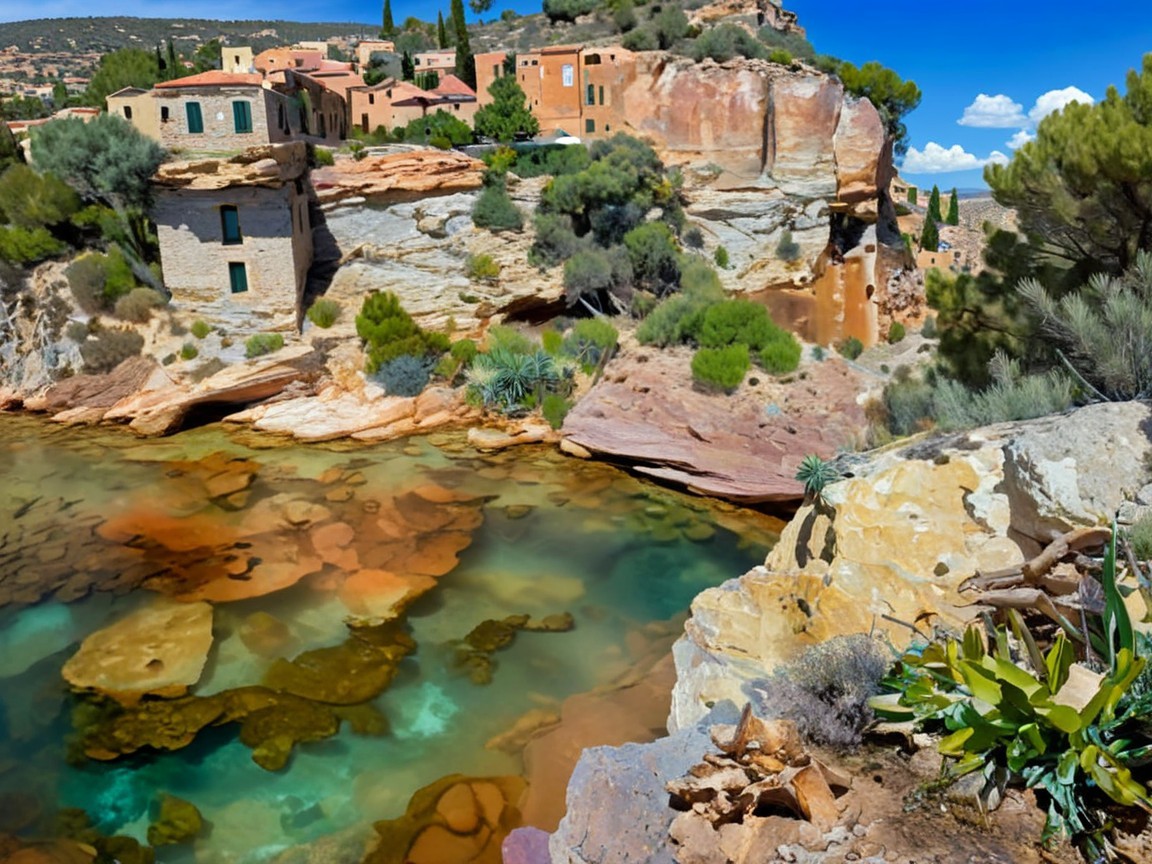
Rafito el Varado reached the cliff-village of La Brecha del Agua on a noon so bright it seemed the sun was trying to carve its own initials into the ochre stone. The place clung to the cliffside like a lizard that had forgotten how to climb down—houses stacked at argumentative angles, shutters blinking in the dry wind, staircases leading nowhere except into someone else’s afternoon.
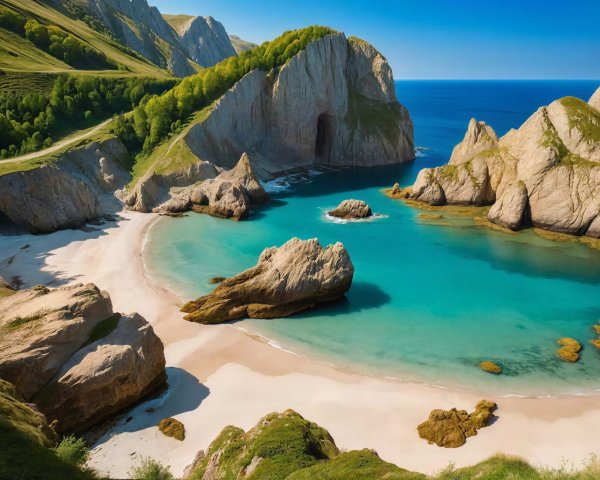
He came because of a rumor: a small, reclusive bay that changes whatever drifts into it. Not by spectacle or force, but by persistence. People said the water worked the way coastlines do—by repetition—wearing things down until they agreed to become something else.
Rafito believed in rumors the way most people believe in tides. You didn’t need to understand them. You just had to arrive at the right hour.
He found the bay by following the scent of warm minerals and drying kelp threading up through the sandstone. Below the cliff, the water cupped itself inward, protected from the open sea by two crooked arms of rock. The surface glowed in layered bands—amber, topaz, pale jade—as though the earth had thinned here and let its colors leak out.
Rafito crouched on the ledge above it, letting the heat of the stone settle into his legs. The bay looked unfinished, as if it were still deciding whether to be water or land. Below the surface, objects drifted slowly—wood bleached nearly white, metal dulled into soft curves, shells thinned to translucent skins. Nothing kept its original intention.
An old woman approached, her hair coiled like smoke, carrying a basket of agave hearts.
“You’re the wanderer,” she said. “The one who doesn’t stay intact.”
Rafito smiled. “I try not to.”
She nodded toward the bay. “This water doesn’t remember. It negotiates. Anything that enters must give something up.”
Rafito reached into his pocket and took out a bent copper ring, already exhausted from pretending it had a use. He flicked it into the bay.
The ring sank slowly, caught in a lazy current. As it moved, its edges softened, the circle stretched, thinned, and finally twisted into a narrow spiral—no longer a ring, no longer asking to belong anywhere.
“The bay removes claims,” the old woman said.
Rafito stood, brushing the grit from his hands. The cliffs behind him deepened in color, as if the place approved of clean exchanges.
He thanked her, slung his pack over his shoulder, and headed toward the crooked stairs that climbed back into the village. He walked lighter—not because anything had been recalled, but because something unnecessary had been surrendered.
Behind him, the bay breathed in and out, quietly reshaping whatever arrived next, patient enough to outlast intention.