
Comments
Loading Dream Comments...
You must be logged in to write a comment - Log In
 Artist
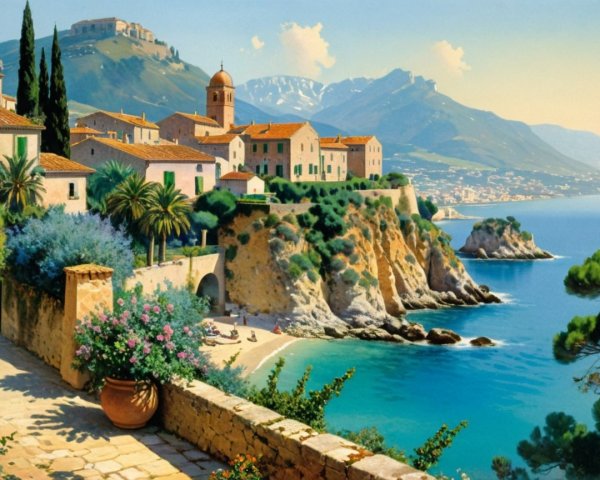
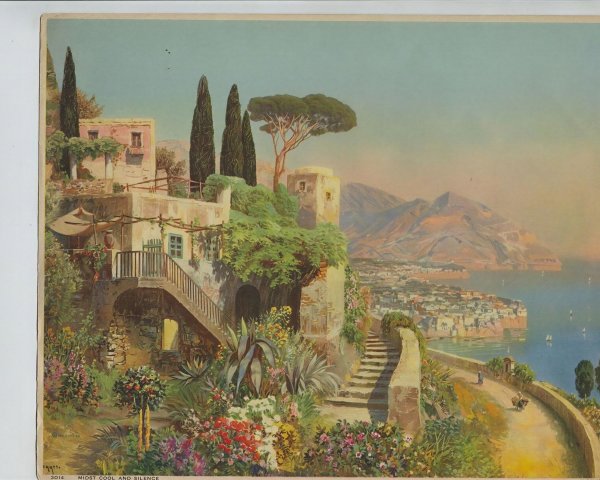
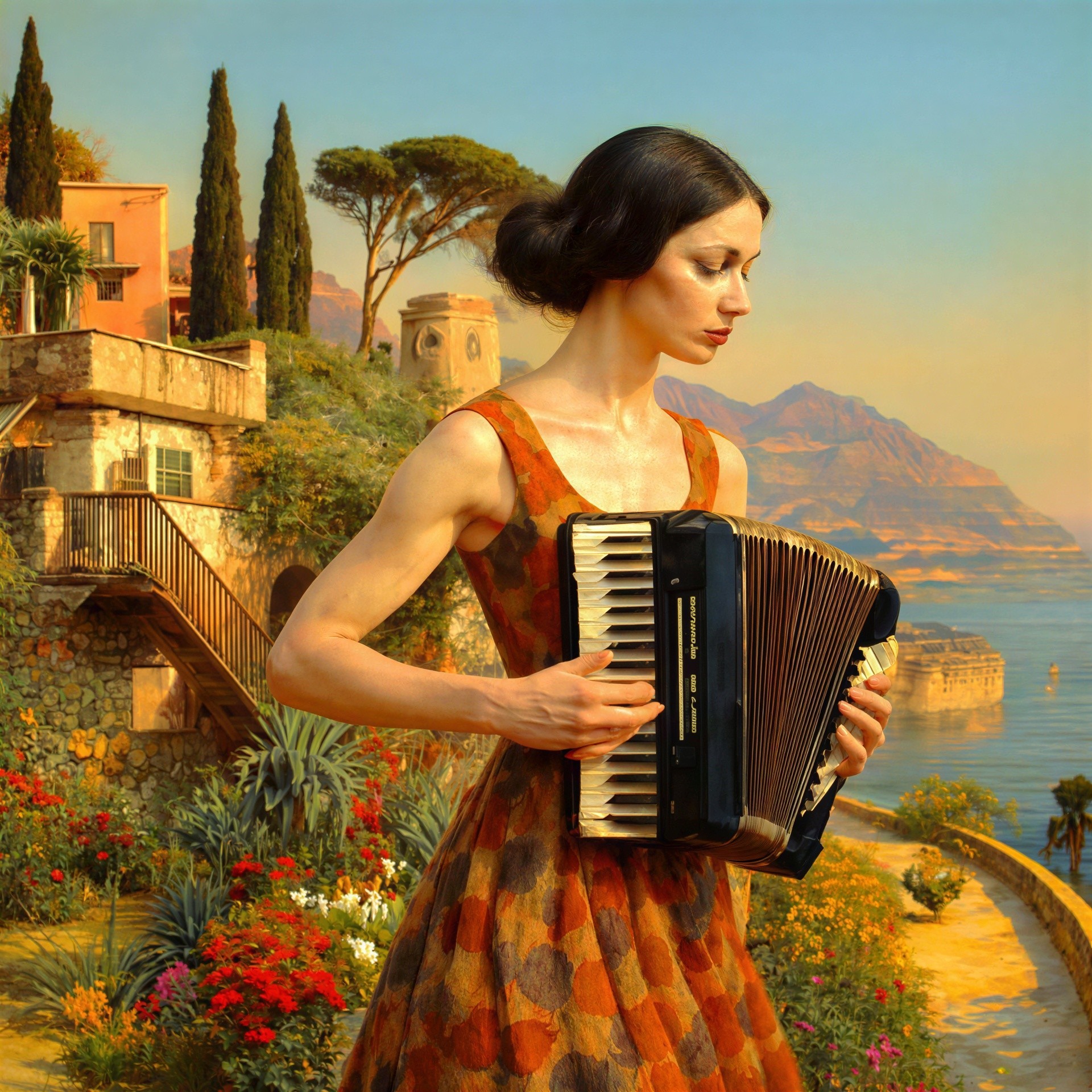
Amanda Kitchens arrived on the Amalfi Coast with a suitcase that clicked like a metronome and an accordion that breathed like a loyal animal. She had come to outrun a winter that had settled into her bones, a whispering gray season that dragged its fingers across her thoughts. The coast greeted her with citrus air and a landscape that leaned theatrically toward the sea, as if every stone, every stair, every slanted rooftop existed to frame a small miracle.
She took a room above a winding, sun-peeled street where bougainvillea climbed the walls like paint that refused to stay still. Each morning she carried her accordion out to the terraces, to the places where the sound could fall freely, where cliffs and sky made a cathedral without a ceiling. She had once played in smoky bars and dim wedding halls, but here the instrument seemed new. The bellows opened and closed like slow wings. Notes glided down paths and brushed across windows. Children leaned over railings. Old men nodded with the authority of those who have seen every possible mistake and forgiven most of them. Even the cats paused in their careful indifference.
Amanda had not expected the landscape to answer her, but it did. When she played low, the sea deepened its color; when she trilled, the light scattered into coins across the water. Some afternoons she practiced without thinking, her fingers moving like memory, but other days she listened first. She learned the voice of the breeze, the clicking chorus of cicadas, the hollow echo of distant chapel bells. Slowly, she stopped playing at the coast and began playing with it.
Villagers began calling her La Cucina della Musica, half as a joke because of her surname and half because she seemed to stir the air the way a cook stirs aroma from simmering pots. She laughed at the nickname, but she understood what they meant. She was mixing sound with warmth, folding sorrow with sunlight, letting small, ordinary ingredients become something nourishing.
One evening, when the sky was the color of apricots surrendering to dusk, Amanda played a melody she had never learned. It rose gentle and serious, with the gravity of something inevitable but kind. It did not reach for triumph, did not apologize, did not dramatize. It simply existed, steady as footsteps. She finished to silence—and in that silence she felt herself rearranged, not fixed, not cured, but re-threaded with patience.
Afterward, the coast stayed the same—steep paths, stubborn buildings, restless blue water—but she carried it differently. She no longer asked what her life should become; she asked instead how it could continue singing.
And so Amanda Kitchens remained a while longer, waking to light like a curtain lifting, letting the sea and stone conduct her days. If anyone happened to pass by at the right hour and hear music drawn slowly from bellows and breath, they might have thought the coast itself was remembering something, smiling, and playing along.